
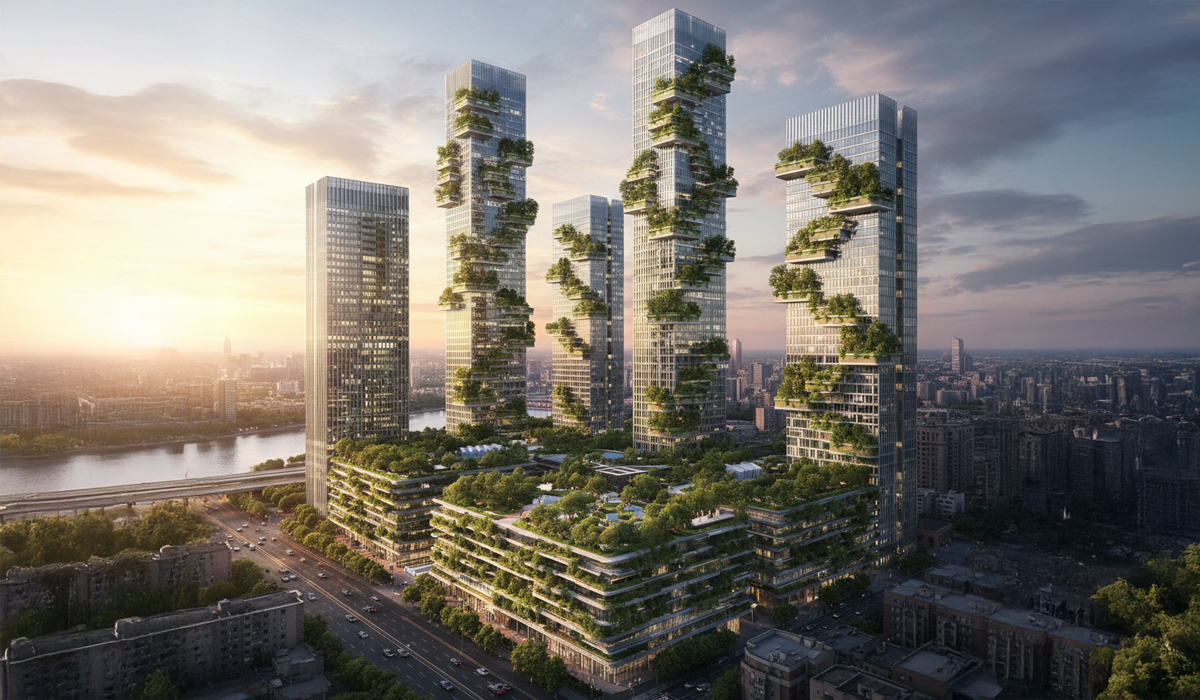
Green Building Regulations in Real Estate: How new regulations affect property development
The rapid expansion of the real estate sector in the United Arab Emirates, particularly in Dubai, necessitates a framework that integrates sustainable practices with urban development. In recognition of this imperative, recent legislative measures, including the Green Building Policy and Law No. 16 of 2023 on Urban Planning, have been enacted to establish comprehensive regulations governing the construction and management of buildings. These regulations aim to ensure that real estate development not only meets the growing demand for urban space but also adheres to stringent sustainability standards, thereby preserving the environment and promoting responsible growth. This article explores how these new regulations influence property development in the UAE, emphasizing their role in fostering an ecosystem of sustainable architecture and urban planning.
How New Regulations Affect Property Development in Dubai
Dubai’s ascent as a global business and tourism hub is closely linked to its innovative approach to real estate development, particularly in the realm of sustainability. Recent regulatory changes, notably the Law No. 16 of 2023 on Urban Planning, are poised to significantly impact property development in the emirate by embedding sustainability principles into the urban planning framework.
Introduction of the Urban Planning Law
The Urban Planning Law establishes comprehensive standards for urban development, ensuring that Dubai’s rapid real estate expansion aligns with ambitious sustainability targets. This legislation mandates the preservation of the natural environment while facilitating controlled urban growth, which is crucial for maintaining the emirate’s reputation as a leading global city.
Key Features of the Urban Planning Law
Regulatory Oversight: The law appoints a Supreme Committee for Urban Planning responsible for overseeing urban development activities. This committee will ensure that development projects align with the Dubai Urban Plan 2040, which is designed to guide the emirate’s growth in a sustainable manner.
Role of Dubai Municipality: The Dubai Municipality is tasked with regulating the urban planning sector, conducting research, and preparing annual reports that assess urban development and identify challenges. This centralized regulatory approach ensures that all development activities adhere to a unified set of standards.
Integration with Green Building Standards: The Urban Planning Law complements Dubai’s Green Building Policy by incorporating mandatory green building standards for new constructions. Compliance with the Al Sa’fat rating system is now required, promoting energy efficiency, waste reduction, and overall sustainability in building practices.
Coordination Among Authorities: The law mandates coordination among various governmental entities to prepare and implement structural and framework plans. This ensures that development projects are executed in alignment with the city’s sustainability goals.
Performance Monitoring: Authorities are responsible for measuring the performance indicators of urban development projects, providing critical data that will inform future planning and regulation. This focus on accountability enhances the overall effectiveness of urban planning efforts.
Impact on Property Development
The introduction of these regulations represents a significant shift in the landscape of property development in Dubai:
- Enhanced Sustainability: Developers must now integrate sustainability into their projects from the outset, ensuring compliance with established green building standards. This will not only contribute to environmental preservation but also potentially increase property values, as sustainable buildings often attract premium tenants and buyers.
- Streamlined Processes: The establishment of the Supreme Committee and clear regulatory frameworks simplifies the approval process for new developments. This can expedite project timelines and reduce bureaucratic hurdles, making it easier for developers to navigate the regulatory landscape.
- Increased Accountability: With the Dubai Municipality conducting regular assessments and monitoring compliance, developers face greater accountability. This can lead to higher standards in construction quality and sustainability practices across the emirate.
- Alignment with Global Standards: As Dubai prepares to host the COP 28 conference, the new regulations position the emirate as a leader in global sustainability efforts. This alignment with international standards can enhance Dubai’s appeal to foreign investors and multinational companies looking for sustainable investment opportunities.
Conclusion
The new regulations under the Urban Planning Law mark a transformative phase for property development in Dubai, emphasizing sustainability and strategic urban planning. By mandating compliance with green building standards and establishing a robust regulatory framework, Dubai is setting a precedent for sustainable urban development that other cities may follow. As developers adapt to these changes, the emirate will continue to thrive as a model for innovation and responsible growth in the real estate sector.